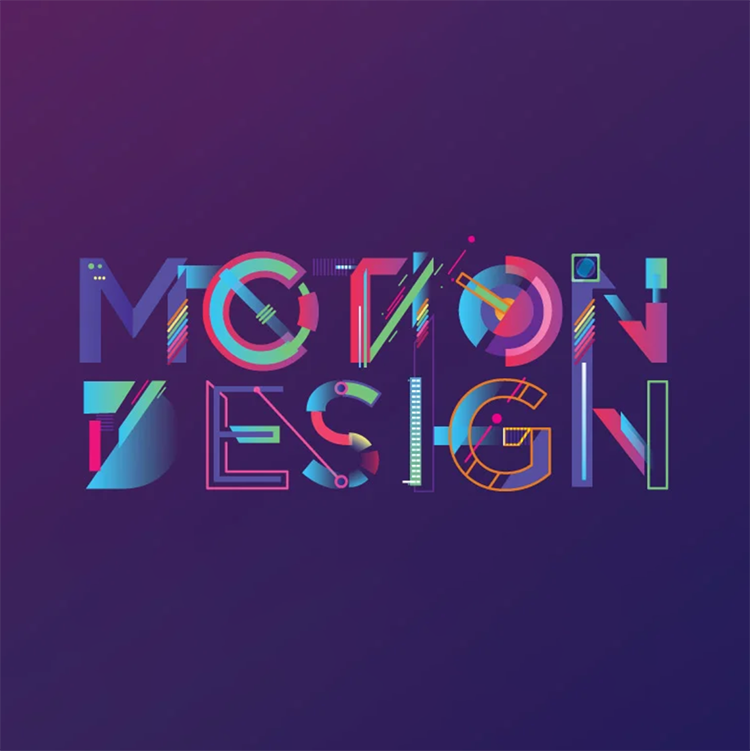
This module will advance your software knowledge, techniques and creative skills in the important area of time-based media design, building on the skills you learned at stage one. You will apply your new skills to a range of creative projects using Motion Graphics to communicate, inform and persuade with impact and effectiveness.
You will need to research and develop your own skills beyond what is taught in the class. Independent self-motivated learning will help to set your work apart from your peers. The techniques you learn in class are selected to be ones that you can easily adapt and change to use in a whole range of new situations.
- Teacher: Shady Gaballa
Modern digital and print production processes have given rise to a growth in the placement and demand for digitally produced illustration. This module will look at the commercial application of these; pixel/ bitmapped illustration, scalable vectors, technical illustration, photo-realistic 3D, etc.
The module will allow you to develop your understanding of the contemporary practice and theory in the field. It will give you the opportunity to develop core
technical skills and then the scope to apply these within distinct creative briefs.
- Teacher: Kostas Douzis
This module develops skills in time-based graphic design, particularly with regard to motion graphics and the development of skills using industry-standard applications such as Adobe After Effects. Building upon knowledge gained from the stage one module, students will use this module to continue to explore the creative and visual possibilities of motion graphics within the context of a design environment.
Practical assignments will allow students to demonstrate technical ability and presentation skills, and also - very importantly - to explore the use and application of these technologies within a creative and conceptual context.
- Teacher: Effie Fasoulioti
Students on this module should already have a basic knowledge of Desk Top Publishing (DTP). This module will introduce students to the more advanced concepts of DTP, looking beyond the type and images. The module will begin with a basic introduction to the historical, theoretical and fundamental principles of typography and design. This is followed by an in depth practical research on typography, image creation and advanced layout techniques using new technology and traditional processes. This module will also include the tuition of advanced techniques of computer software such as InDesign, illustrator and Photoshop. Students will undertake two specific assignments.
- Teacher: Christos Tsoleridis
Graphic Communication is a term used to describe graphic design where the boundaries and parameters are consciously eroded and redefined. The purpose is to encourage a greater creativity and originality in students by adopting a position not constrained by the pressures found in a prescriptive commercialism. Imagination and syntheses are component parts of the work which students will exploit in testing and challenging established outcomes in graphic design, unconstrained by external pressures, the module provokes opportunities for originality in thinking and its application through graphic outcome as well as individual reactions and responses to a wide range of areas in contemporary culture. Typography and image generation are prime elements in the process but students are by no means restricted to any particular format and are encouraged to invent and design individual, alternative and useful vehicles for communication. In this module, students will be asked to deal with a range of contemporary subjects and themes where outcomes provoke opportunities for the audiences themselves to share in the act of communication and where a reflective layered approach to designing in which meaning is more significant than surface superficiality.
- Teacher: Effie Fasoulioti
- Teacher: Chrysa Toka